Occupied Krakow Context Guide Before Schindler Factory Visit
A concise historical primer on occupied Krakow to help you understand Schindler Factory Museum exhibits in depth.
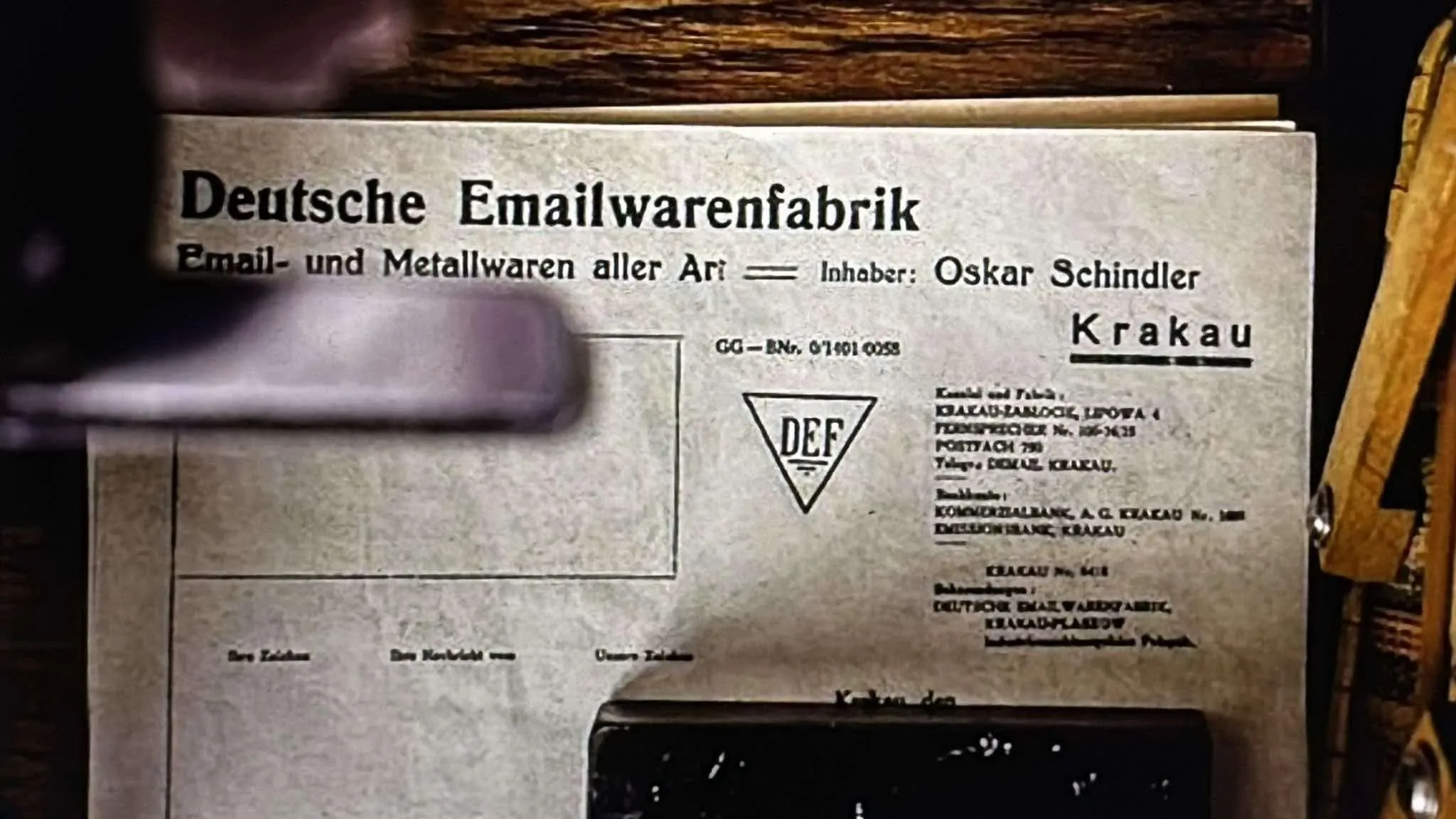
If you enter with zero context, you still learn a lot. But with a short historical framework, the museum becomes dramatically clearer.
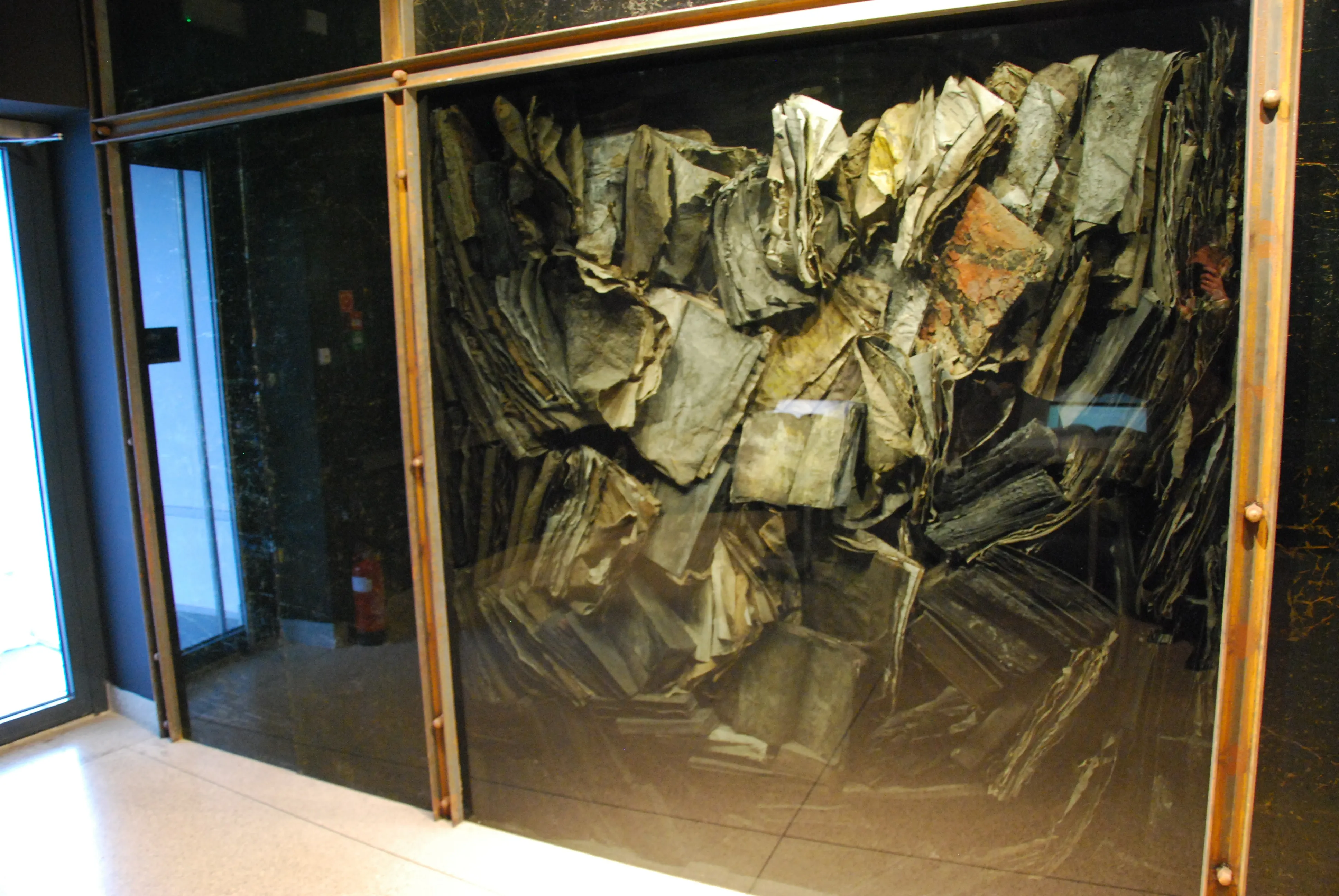
Timeline in plain language
- 1939: Germany invades Poland.
- Krakow becomes a major administrative center of occupation.
- Segregation, forced labor, and violent repression escalate.
- Deportations and mass killings intensify.
- 1945: War ends, but memory work lasts generations.
Three ideas to keep in mind
| Idea | Why it matters inside the museum |
|---|---|
| Policy became daily life | You will see how abstract orders changed streets, jobs, and homes |
| Bureaucracy enabled violence | Documents and lists are not neutral objects |
| Individual choices still mattered | Some people collaborated, some resisted, some tried to save others |
The museum is strongest when you read objects as evidence, not decoration.
Quick myth check
It is only about one man.- It is mainly about occupied Krakow, with Schindler as one significant thread.
Reading room prompt
When you encounter a poster, permit, list, or office object, ask:
- Who wrote this?
- Who had to obey it?
- Who disappeared because of it?
[^1]: If you are sensitive to heavy historical content, plan a slower pace and a quiet break after the visit.
Sobre el autor

Krakow History Editorial Team
Esta guia esta pensada para viajeros que buscan algo mas que una parada de lista. El Museo de la Fabrica de Schindler merece contexto, preparacion y espacio emocional, asi que el objetivo aqui es ayudarte a visitarlo con claridad practica y sensibilidad historica.
Tags
Comments (0)
Loading comments...